
YouTube to Restrict Fitness Content for European Teens Due to Mental Health Concerns
Zoe M.
YouTube isn’t “banning fitness videos” for teens. It’s doing something quieter (and honestly, more realistic): it’s stopping the algorithm from pushing the same body-focused content on repeat.
If you’ve ever watched one workout clip and suddenly your feed turns into “abs in 7 days” 24/7, you already get the issue—especially when the viewer is a teenager.
What is YouTube changing for European teens?
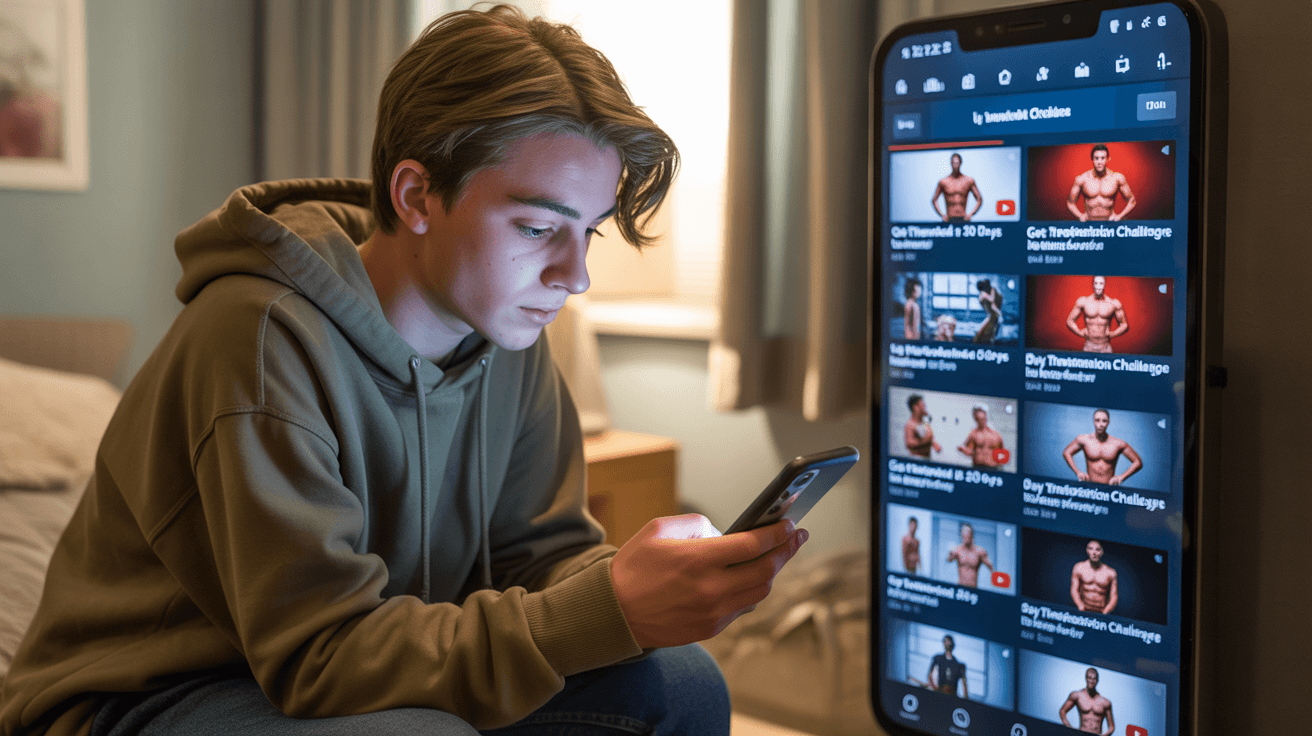
YouTube says teenagers in Europe will get fewer repeated recommendations of certain health and fitness videos—especially content that idealizes specific body types or leans heavily into appearance-based comparison.
The key detail: this isn’t about removing videos. It’s about reducing the “loop effect,” where one view turns into a nonstop stream of similar clips.
Key insight
This isn’t a content ban—it’s an algorithm brake. Teens can still watch fitness content, but YouTube wants to stop the endless recommendation spiral that can quietly mess with self-image.
What kinds of videos will be limited?
YouTube’s focus is on categories that can look harmless in isolation, but become risky when they’re served repeatedly. That includes videos that:
- Idealize certain fitness levels or weight groups
- Compare or glorify specific physical features (the classic “this is the right body” vibe)
- Include social aggression like bullying, intimidation, or fighting content
Why is YouTube doing this?
The platform’s message is pretty straightforward: repeated exposure to body-focused content can feed unhealthy comparison habits, especially during the teen years.
This isn’t just internet panic. Body image struggles and eating disorders are real, and they don’t always look obvious at first. If you want a clean, medical overview (not a TikTok thread), the National Institute of Mental Health guide to eating disorders is a reliable starting point.
For broader, trusted mental health resources, you can also use WHO’s mental health hub.
What changes for teens day-to-day?
Here’s what I’d expect this to feel like in real life: teens won’t necessarily notice one big “before/after” moment. It’ll be more like their feed stays more mixed instead of going all-in on one obsession.
YouTube and redirecting sensitive searches
YouTube has also said it may redirect certain searches related to self-harm, suicide, and eating disorders toward crisis resources and helplines.
This matters because some of the most dangerous content isn’t found through recommendations—it’s found when someone is already searching for it.
Quick practical tip (for teens & parents)
If your feed starts feeling obsessive, reset it on purpose: tap “Not interested,” clear watch history, and deliberately watch content that’s unrelated (music, school, hobbies, comedy) so the algorithm doesn’t lock onto body content as your main identity.
FAQ
Is YouTube banning fitness videos for European teens?
No. Teens can still watch fitness content, but YouTube says it will limit repeated recommendations of certain body-focused videos.
What kind of fitness content is being restricted?
Videos that idealize certain body types or fitness levels, push appearance-based comparisons, or include aggressive/social bullying-style content.
Why is YouTube doing this now?
Because repeated exposure to body-focused content can fuel unhealthy comparison and negatively impact self-esteem for some teens.
Does this affect teens outside Europe?
Similar recommendation limits have been introduced elsewhere too, and YouTube appears to be expanding these safety-focused settings.
What should I do if my teen’s feed feels unhealthy?
Use “Not interested,” clear watch history, diversify viewing habits, and talk openly about how algorithm loops can amplify insecurities.
Key Takeaways
- YouTube is limiting repeated recommendations of some fitness content for European teens.
- This isn’t a ban—teens can still watch the videos, but the algorithm won’t push them nonstop.
- The goal is reducing unhealthy body comparison loops and protecting teen mental health.
- Videos that idealize body types or promote bullying/aggression are included in the targeted categories.
- YouTube may redirect searches about self-harm and eating disorders to support resources.
- Parents and teens can actively reset and diversify feeds to reduce algorithm “lock-in.”
 Trending Now
 Elon Musk and Mark Zuckerberg's Influence Driving Users Away from Major Platforms: An In-Depth Analysis
Written by: Tyler B Entertainment & Pop Culture Writer I write about the...
 Entertainment & Pop Culture
 The Corecore Aesthetic: Shaping a New Digital Expressive Realm
Written by: Nina P. Entertainment & Pop Culture Writer I cover entertain...