
Unmasking the Future: The Role of AI in Shaping Content Creation
Nina P.
AI isn’t coming for content creation. It’s already here—quietly editing your videos, suggesting your captions, generating thumbnails, and helping creators pump out work at a speed that would’ve been impossible a few years ago.
The bigger question isn’t “Will AI replace creators?” The real question is: what kind of content wins when AI makes everything faster, cheaper, and easier to clone?
The new reality: content is becoming a factory
Let’s be honest—content creation used to mean time, effort, and a little suffering. Now it can mean prompts, templates, and automation.
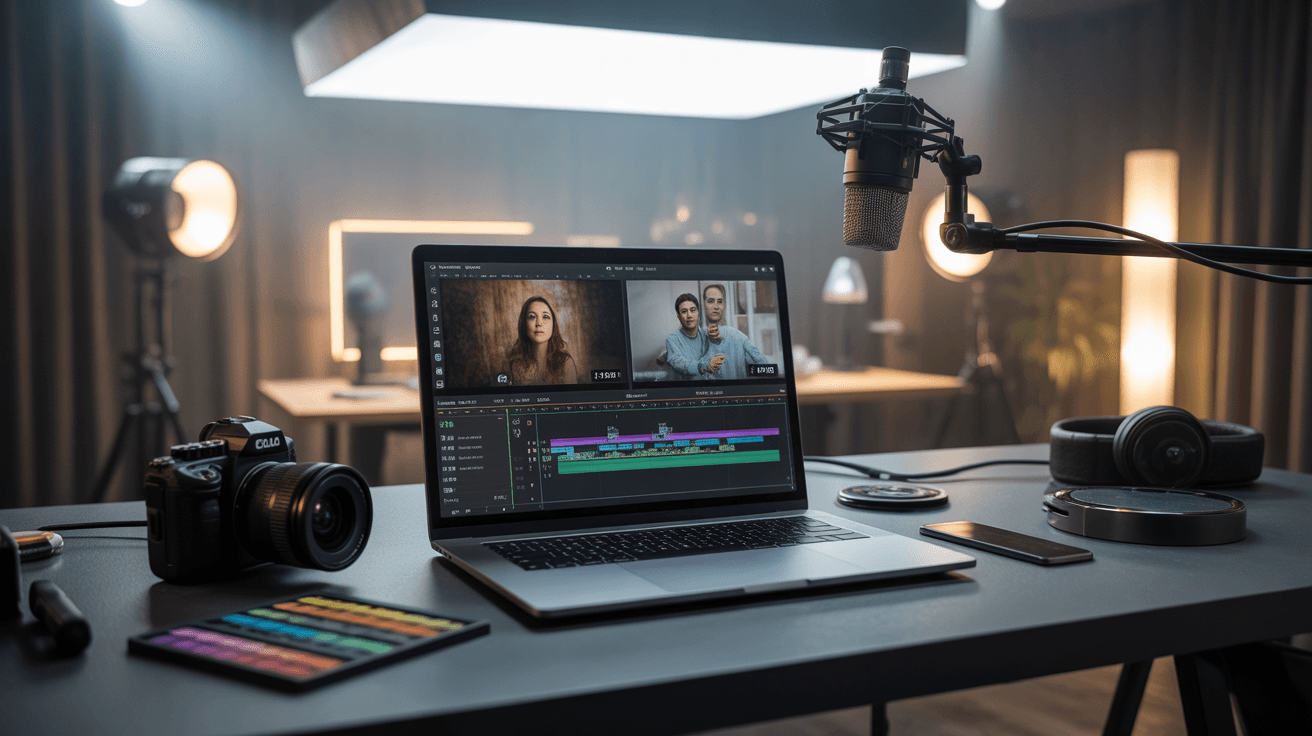
AI tools can generate scripts, subtitles, voiceovers, images, and even full video edits. That doesn’t automatically make the content good… but it absolutely changes the playing field.
Key insight
AI isn’t killing creativity. It’s killing the “production barrier.” When anyone can generate decent content instantly, the real advantage becomes taste, perspective, and trust.
Where AI is already changing the game
Most people think AI content = deepfakes and weird robot art. In reality, the biggest impact is happening in the “boring” parts of creation.
AI is already being used for:
- Script drafting (hooks, structure, punchy lines)
- Editing help (cuts, captions, pacing suggestions)
- Thumbnail and visual generation (especially for fast content cycles)
- Voiceovers (both natural and obviously synthetic ones)
- Translation and dubbing to reach global audiences
If you want a broader, research-based look at how AI systems work and why they can “hallucinate” information, Nature’s overview of AI hallucinations is one of the clearest explanations without getting overly technical.
What audiences will start noticing more
As AI content becomes more common, the feed is going to feel… weirder. Not because everything will look fake, but because a lot of it will feel strangely familiar.
Here’s what I expect viewers to notice more often:
- Same voice, different accounts (identical pacing, phrasing, and “vibes”)
- More content, less personality (technically fine, emotionally empty)
- More “thumbnail bait” designed to win clicks instantly
- Faster trend recycling where everything feels old within 48 hours
Viewer survival tip
If a piece of content feels “perfect” but you can’t remember it five minutes later, it’s probably optimized for attention—not meaning. That’s the trade AI makes easier.
For creators: the new edge is being unmistakably human
Here’s the funny part: as AI makes creation easier, being “human” becomes the real brand.
Creators who stand out long-term will usually do at least one of these things:
- Show real opinions instead of generic summaries
- Share specific experiences people can’t generate from a template
- Build trust through consistency and transparency
- Lean into community instead of chasing pure virality
If you’re a creator using AI tools, the smartest move is to treat AI like an assistant—then you decide the final voice, humor, and point of view.
The risk side: deepfakes, misinformation, and “fake creators”
This is where it gets darker. AI isn’t only helping real creators. It also helps people impersonate, scam, and manufacture fake content at scale.
We’re already seeing:
- deepfake videos used to mislead or damage reputations
- fake celebrity audio clips spreading fast
- AI-generated accounts farming attention with recycled “content sludge”
If you want an official breakdown of how misinformation spreads and how to spot it, UNESCO has a clear set of media literacy resources here: UNESCO Media and Information Literacy.
FAQ
How is AI changing content creation?
AI is speeding up drafting, editing, captioning, translation, and repurposing—making it easier to create more content faster than ever before.
Will AI replace creators?
Not completely. AI can automate production tasks, but audiences still follow humans for personality, trust, and perspective.
Why does AI content feel “the same” sometimes?
Because many tools generate similar structures and tones, especially when people use generic prompts or templates.
Is AI content dangerous?
It can be, especially when used for deepfakes, scams, or misinformation. That’s why media literacy and verification matter more now.
How can creators use AI without losing their voice?
Use AI for drafts and speed, then rewrite with your real tone, opinions, and lived experience so the final result still feels human.
Key Takeaways
- AI is already embedded in modern content workflows, especially short-form video.
- The biggest shift is speed: more content, faster cycles, and easier trend copying.
- As AI scales production, “human voice” becomes the real competitive advantage.
- Creators can use AI as an assistant, but humans still need to control taste and truth.
- Deepfakes and misinformation are the biggest risks as AI tools get stronger.
- Audiences will reward content that feels memorable, specific, and real—not just optimized.
 Entertainment & Pop Culture
 The Evolving Career and Confronting Criticisms: A Deep Dive into Malcolm Gladwell's Journey
Written by: Nina P. Entertainment & Pop Culture Writer I cover entertain...
 Trending Now
 Elon Musk and Mark Zuckerberg's Influence Driving Users Away from Major Platforms: An In-Depth Analysis
Written by: Tyler B Entertainment & Pop Culture Writer I write about the...