
The Power of TikTok: Shaping Fashion Trends and Altering Consumer Behaviour
Nina P.
TikTok didn’t just change how we watch videos. It changed how we shop—especially for fashion.
One minute you’re casually scrolling, the next you’re convinced you need a specific cardigan, a pair of “viral” jeans, or a $12 lipstick that’s suddenly “sold out everywhere.” That’s not random. That’s a machine doing exactly what it’s designed to do.
TikTok is basically a runway now (just faster and louder)
Fashion trends used to move through magazines, celebrity paparazzi photos, runway shows, and slowly filtered into stores.
Now? A trend can be born from one creator’s outfit video, copied 10,000 times in 48 hours, and turned into a “must-have” before most people even understand what the aesthetic is called.
Key insight
TikTok fashion trends aren’t built around timeless style—they’re built around instant recognition. If a look makes sense in one second, it has a better chance of going viral than something subtle.
Why the algorithm makes trends feel unavoidable
The big difference with TikTok is that it doesn’t just show you what your friends like. It shows you what it thinks you’ll watch. That’s how a micro-trend becomes a full-blown obsession overnight.
And once you interact with a style—like one “get ready with me” video or one thrift haul—the algorithm can decide you want more of that world.
If you want a clean, research-backed look at how platforms shape online behavior, Pew Research Center’s internet research is one of the best places to explore the bigger pattern without the hype.
The TikTok fashion pipeline (how a trend becomes a purchase)
What’s happening is basically a new kind of funnel—except it feels like entertainment, not marketing.
- Discovery — you see the look in a short, satisfying clip
- Repetition — the algorithm feeds you 20 more videos of the same style
- Social proof — creators claim it’s “everywhere” and “everyone’s wearing it”
- Convenience — links, storefronts, and dupes appear immediately
- Impulse buy — you order it fast because it might “sell out”
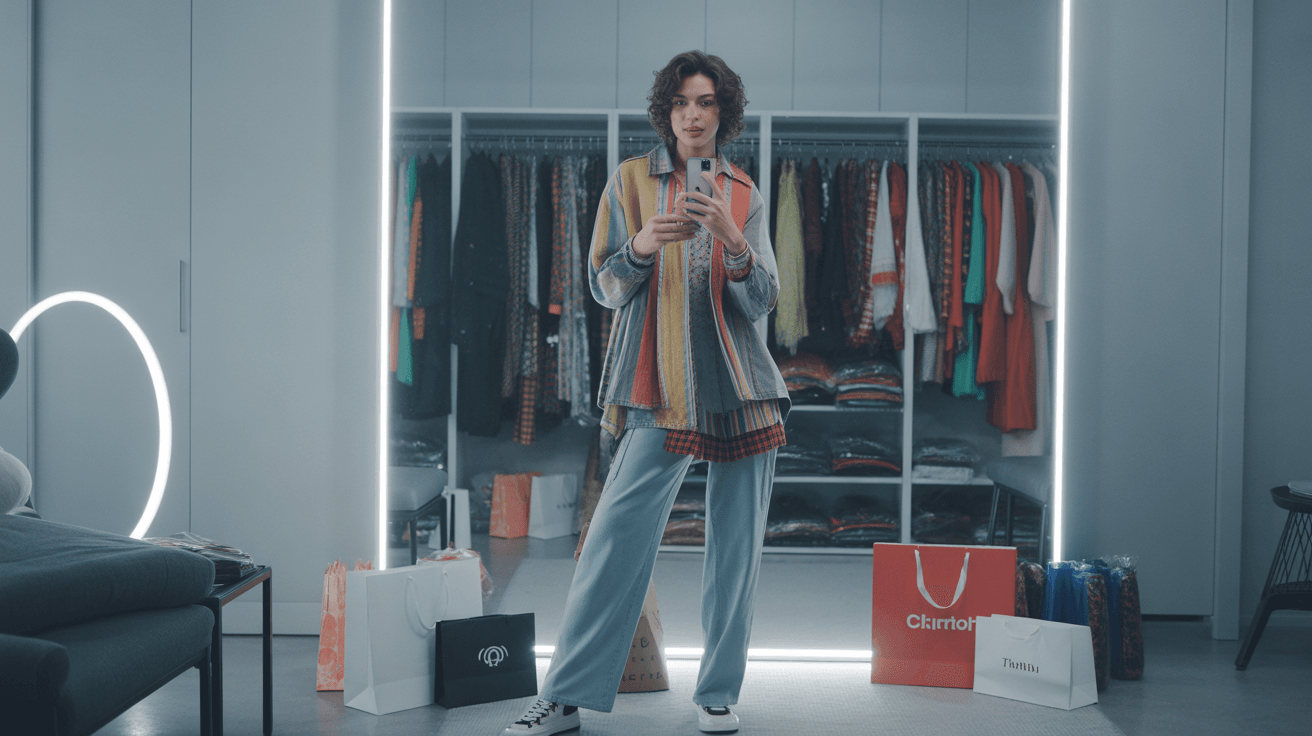
How TikTok is changing consumer behavior (in real life)
Let’s be honest: TikTok didn’t invent shopping addiction. But it made it frictionless.
Instead of browsing aimlessly, users get pushed toward a “perfect” product moment—complete with reviews, styling tips, and that dangerous little line: “Run, don’t walk.”
Some of the biggest behavioral shifts include:
- Shorter trend cycles (styles peak fast, then feel “over”)
- More impulse buying because the content makes it feel urgent
- Dupe culture where cheaper lookalikes spread faster than originals
- “Haul” normalization making constant purchasing look like a hobby
A simple way to not get played
If you feel that sudden “I NEED this” urgency, wait 24 hours. If you still want it tomorrow, it’s probably real taste. If you forget about it completely, it was the algorithm talking.
Brands love TikTok trends… until they can’t control them
TikTok is a dream for brands because it can launch a product in days. But it’s also dangerous because it can destroy a brand just as fast.
One bad review can be remixed into a thousand clips. One “this feels cheap” comment can turn into a full-blown pile-on. Fashion brands especially live and die by perception.
And TikTok users don’t shop like traditional customers. They shop like detectives. They want proof, texture, fit checks, returns policy, and unfiltered honesty.
The sustainability problem nobody wants to admit
Fast trend cycles mean more buying, and more buying means more waste. That’s the uncomfortable part.
TikTok didn’t invent fast fashion, but it supercharged the “wear it once, move on” mindset. It rewards novelty and punishes repetition.
If you’re trying to be more mindful, the easiest move isn’t “never shop.” It’s slowing down the trend impulse and buying fewer pieces you’ll actually wear.
For a broader look at fashion waste and sustainability concerns, the UN Environment Programme’s overview of fast fashion impacts is worth reading.
FAQ
How does TikTok influence fashion trends?
TikTok accelerates trend cycles by pushing highly visual outfit content repeatedly, making certain looks feel unavoidable and “everywhere” very quickly.
Why do TikTok fashion trends spread so fast?
Because the algorithm rewards recognizable visuals, repetition, and easy-to-copy formats like GRWM videos, hauls, and styling clips.
Does TikTok make people spend more money?
It can. TikTok blends entertainment with shopping links, social proof, and urgency language, which often leads to impulse purchases.
What’s the best way to avoid impulse buying from TikTok?
Wait 24 hours before buying. If you still want it the next day, it’s probably a genuine preference—not just a trend moment.
Do brands benefit from TikTok fashion trends?
Yes, but it’s unpredictable. TikTok can launch a product quickly, but it can also turn negative just as fast if quality or trust is questioned.
Key Takeaways
- TikTok has turned fashion trends into fast-moving, algorithm-driven waves.
- The platform rewards styles that are instantly recognizable on camera.
- Trend repetition creates urgency, which fuels impulse buying.
- Consumers now trust creator reviews more than traditional ads.
- Brands can gain huge visibility—but they also lose control quickly.
- Slowing down purchases by even 24 hours can reduce trend-driven spending.
 Weird & Bizarre
 Vietnam's Innovative Response: Unveiling the COVID-19 Theme Park
Written by: Chris T. Weird & Bizarre Editor I chase the kind of stories ...
 Social Media Buzz
 YouTube to Restrict Fitness Content for European Teens Due to Mental Health Concerns
Written by: Zoe M. Social Media Correspondent I follow the stories that ...