
Indonesia Plans to Introduce Minimum Age for Social Media Use
Tyler B.
Indonesia is looking at a move a lot of countries have talked about, but few have pushed hard: a minimum age requirement for social media.
On paper, it sounds simple—“kids shouldn’t be on these apps too early.” In real life, it gets messy fast, because age limits are easy to announce and way harder to enforce.
Indonesia’s plan: minimum age rules for social media
Indonesia’s government has signaled it plans to introduce regulations that would set a minimum age for social media use, with the goal of protecting children online.
This isn’t happening in a vacuum. Around the world, governments are increasingly pressuring platforms to take youth safety seriously—especially when it comes to content exposure, harassment, and algorithm-driven rabbit holes.
Key insight
Age limits aren’t really about “kids lying about birthdays.” They’re about forcing platforms to prove they’re not building addictive systems that work best on the youngest users.
Why governments keep coming for social media
Whenever a country proposes age restrictions, the public debate usually splits into two camps:
Camp A: “This is overdue. Kids are getting cooked by algorithms.”
Camp B: “Good luck enforcing it. Also, where does privacy go?”
Both points are fair. The real issue is that social media has become the default environment for attention, identity, and social pressure—especially for younger users.
If you want a grounded look at youth mental health and why online environments matter, the CDC’s youth mental health resources are a strong place to start.
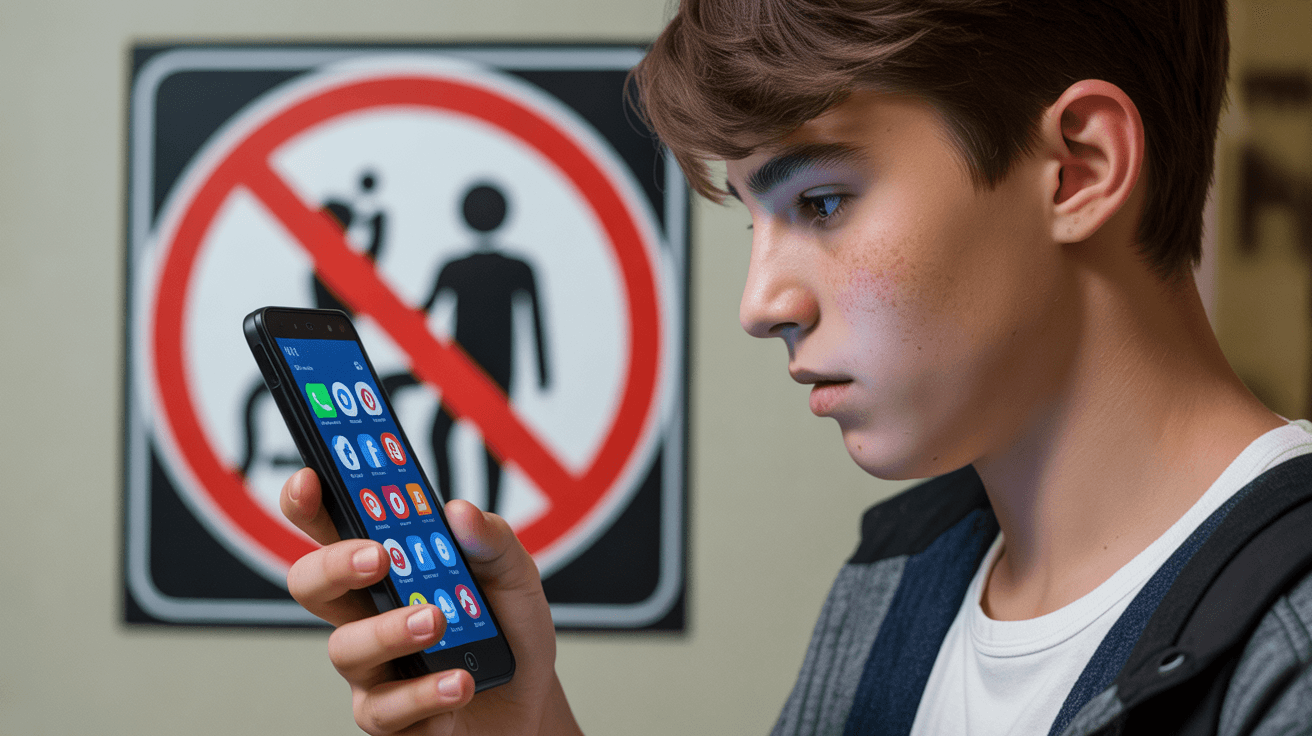
The enforcement problem nobody can dodge
Here’s the part most headlines skip: saying “minimum age” is the easy part. Enforcing it is where countries run into a wall.
Because if you want real enforcement, you usually need one of these:
- Stricter platform verification (which raises privacy concerns)
- Parental controls and device-level restrictions (which kids often bypass)
- Government-backed identity systems (which many people don’t trust)
So the real question becomes: how do you protect minors without building a surveillance system for everyone?
The uncomfortable trade-off
Most “age verification” solutions either don’t work (easy to fake) or work too well (and create privacy risks). That’s why countries keep arguing about age limits but struggle to implement them cleanly.
How this could change the social media experience
If Indonesia follows through and platforms comply seriously, the biggest changes could hit in subtle ways, such as:
Practical advice for parents (even if you’re not in Indonesia)
Even if this specific policy never affects your country, the direction is clear: platforms are going to face more restrictions around youth access.
If you’re a parent trying to make the situation less chaotic right now, here’s what tends to work better than yelling “get off your phone”:
- Talk about algorithms like they’re a “person” pushing content (because they basically are)
- Use time limits as guardrails, not punishments
- Pay attention to mood shifts after scrolling sessions
- Check privacy settings together, once a month
And if you want a straightforward guide on online safety for kids, the FTC’s “Protecting Kids Online” resource is genuinely useful.
FAQ
Is Indonesia introducing a minimum age for social media?
Indonesia has announced plans to introduce regulations setting a minimum age for social media use to help protect children online.
Why does Indonesia want age limits for social media?
The goal is to reduce risks for minors, including harmful content exposure, harassment, and mental health pressures linked to social media use.
Will age limits actually work?
They can help, but enforcement is the hard part. Stronger verification can reduce underage access, but it also raises privacy and implementation issues.
How do platforms verify age?
Usually through self-reported birthdays, account settings, or identity verification methods—each with trade-offs in accuracy and privacy.
What can parents do right now?
Focus on boundaries (time limits), privacy settings, and conversations about how algorithms push content—not just “screen time” as a number.
Key Takeaways
- Indonesia plans to introduce a minimum age requirement for social media use.
- The goal is protecting kids from harmful content and online risks.
- The biggest challenge is enforcement without creating privacy problems.
- Age verification is either easy to bypass or heavy-handed, depending on the method.
- This reflects a global trend: platforms are being pushed to protect minors by design.
- Parents can help by teaching algorithm awareness, not just limiting screen time.
 Entertainment & Pop Culture
 The Power of TikTok: Shaping Fashion Trends and Altering Consumer Behaviour
Written by: Nina P. Entertainment & Pop Culture Writer I cover entertain...
 Social Media Buzz
 AI Bots and Social Media - An Insight Into Meta's Integration
Written by: Zoe M. Social Media Correspondent I follow the stories that ...